
Dry Eye Clinic Wimbledon
We are proud to introduce our bespoke Dry Eye Clinic at Fiona Watt Optometrists to help diagnose and manage symptoms caused by Dry Eye Disease (DED).
What is Dry Eye Disease?
Dry Eye Disease (DED) is a multifactorial pathological condition that involves many ocular surface alterations caused by lacrimal dysfunction.
It occurs when the eyes don’t produce enough tears or when the tears evaporate too quickly, leading to insufficient moisture and lubrication on the surface of the eyes.
The resulting symptoms are ocular surface inflammation, visual disturbances, subjective annoyance and general discomfort. Where the pathological condition is more serious, the daily life of the person is influenced, and the simplest habits become complicated.
How would I know if I Have Dry Eyes?
The following signs and symptoms may indicate dry eyes:
- Dry, gritty or red eyes
- A feeling of something in the eye ‘a foreign body sensation’
- Tired eyes
- Heavy eyes
- Burning eyes
- Watery eyes
- Blurred and variable vision which changes, with blinking
- A feeling of pressure behind the eyes
- Sore eyes
- Repeated styes and “lid lumps and bumps”
- Difficulty wearing contact lenses.
The tear film consists of three layers:
- The innermost layer, called the mucin layer (made of mucous), is a sticky substance, which sticks the whole tear film to the outermost layer of the cornea (the clear part of the eye). Mucin prevents the tear film failing off, due to gravity and lubricates the eye.
- The middle layer, called the aqueous (watery) layer, is the thickest layer.
This layer allows oxygen to reach the cornea, as well as allowing waste products to be removed from it - The outermost layer, is the lipid (oily) layer which prevents the watery layer evaporating too quickly, which can lead to symptoms described, above.

Types of Dry Eyes
The two major etiological categories of dry eye are:
- Evaporative Dry Eye: Evaporative dry eye occurs when the oily layerof tears, which helps prevent their evaporation, is deficient or of poor quality. Dysfunction of the meibomian glands, small oil-producing glands in the eyelids, can lead to this type of dry eye. Inflammation of the eyelids, (blepharitis) and environmental factors (such as low humidity or prolonged computer screen use) can also contribute to evaporative dry eye. The Prevalence of Evaporative dry eye is the most common type, accounting for over 85% of dry eye cases.
- Aqueous-Deficient Dry Eye: Aqueous-deficient dry eye occurs when the lacrimal glands, responsible for tear production, fail to produce enough of the watery component of tears (known as the aqueous layer). Contributing Factors are autoimmune diseases, hormonal changes, certain medications, and aging, all of which can lead to reduced tear production.
How can our Optometrists help you?
We have invested in leading state of the art equipment that allow us to accurately diagnose, classify the cause of dry eye symptoms and allow effective management of the condition.
During the initial consultation, the IDRA device is used to analyse the performance of the ocular surface by taking a series of automated non-invasive measurements in the diagnosis of Meibomian Gland Dysfunction (MGD). The quality and quantity of the tear film is accessed by completing the following clinical procedures, Interferometry, Tear meniscus, NIBUT, Meibography, Blepharitis, Dermodex, Conjunctival and Corneal status and staining. The new automated software within the system collects and analysis the data, producing a report in a written format which is used to suggest and discuss effective management of dry eyes.
What are the Management Options for Dry Eyes?
Management options are tailor made to the individual, some of which will be performed in practice by the Optometrists and others can be carried out at home. Management options include:
Activa heat mask sessions
This innovative eye mask provides a complete heating and automatic squeezing technology in a single device that is fast and painless. Effective in Meibomian glands dysfunction associated with tear film evaporation. The mask maintains a steady temperature throughout use and is clinically proven to help with unclogging glands, melting the meibum, restore natural flow, better pathology management, and increase glands functionality: all allowing your eyes to stay lubricated and symptom free for longer.
BlepEx
The first and only practitioner led Eyelid cleaning procedure to help clean and maintain eyelid hygiene. BlepEx removes excess bacteria, biofilm and bacterial toxins resulting in blepharitis which in turn causes eyelid symptoms. With regular treatments, the eyelids stay clean and symptom-free.
IRPL therapy
Intense Regulated Pulsed Light. Painless light pulses are emitted below the eye (in the region of the parasympathetic nervous system). By stimulating the nerve, neurotransmitters are released that stimulate the secretion of the meibomian glands and contribute to restoring their normal activity. In addition, the quality of the gland secretion is improved, and the lipid layer of the tear film is stabilised. This treatment can last anything from six months to three years.
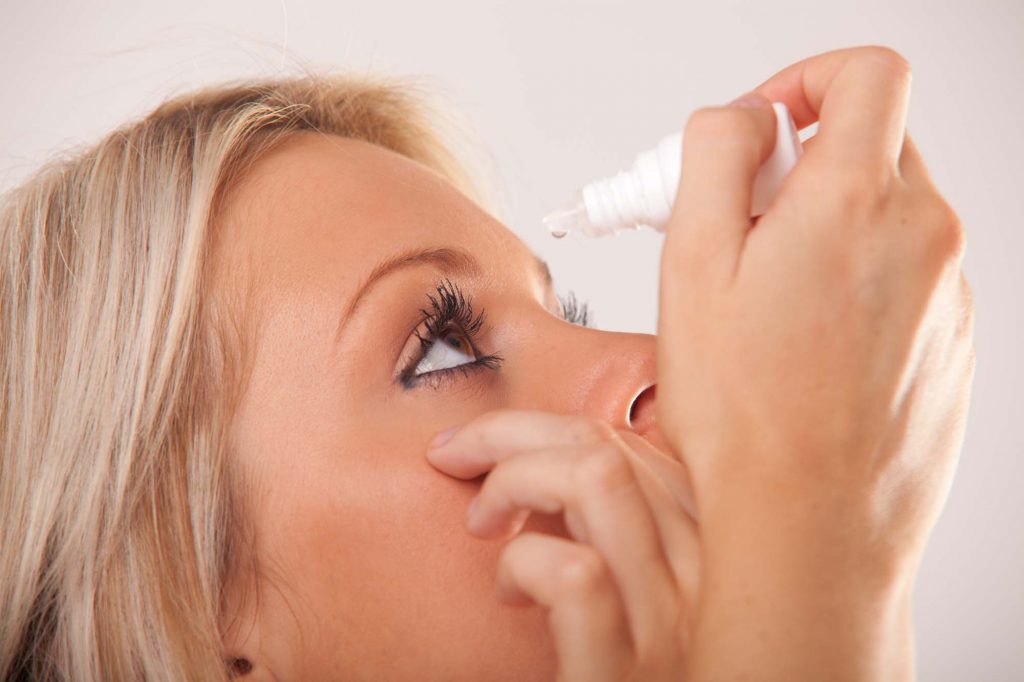
Artificial Lubricating Eye Drops
Eye drops, gels or ointments are commonly used to add moisture to the surface of the eye and to help relieve dry eye symptoms.
Warm Compressors using an Eye Bag
The Eye bag is a reusable hot compress for the treatment of Meibomian Gland Dysfunction in Dry Eye Syndromes. Symptoms are alleviated by increasing blood flow to the eyes and helping to stimulate the production of tears.
Lid Care Wipes
Lid care wipes are used to clean the eye lashes and eye lids which help to treat Blepharitis and Meibomian Gland Dysfunction (MGD).
Omega 3
Meibomian Gland Dysfunction (MGD) results in inadequate and dysfunctional lipid production which leads to evaporative dry eyes. As MGD is associated with altered lipid composition, dietary supplementation with Omega 3s can be extremely beneficial in the treatment of dry eye symptoms.
To help determine the specific type of dry eye disease and to manage your dry eye symptoms, we recommend you call the practice on 020 8944 6886 to book a consultation into our bespoke Dry Eye Clinic with one of our Optometrists. Remember, proper diagnosis and management are essential for effective treatment of dry eye syndrome.

What are the causes of dry eyes?
There are many reasons for dry eyes, including:
Decreased tear production due to:
- Aging.
- Certain medical conditions: diabetes, rheumatoid arthritis, lupus, thyroid disorders, Sjogren’s syndrome and vitamin A deficiency.
- Certain medications: antihistamines, decongestants, hormone replacement therapy, antidepressants, drugs for high blood pressure, birth control, acne and Parkinson’s disease
- Laser eye surgery
- Tear gland inflammation or radiation.
Increased tear evaporation due to:
- Wind, smoke or dry air.
- Blinking less often; this can occur when concentrating whilst reading, driving or working on the computer.
- Eyelid problems, such as ectropion and entropion.
Imbalance in tear composition:
The tear film has three layers, oil, water and mucus. Problems with any of these layers can cause dry eyes. If the Meibomian glands producing the oil layer become clocked, this can result in dry eye symptoms. Blocked Meibomian glands are common in people with blepharitis and rosacea.
Journey To A Clearer Future

Watery Eyes
Eyes may water because of:
- Too much tear secretion – caused by irritation of the eye.
- Blepharitis or allergy due to a blockage in the tear drainage system.
What are the symptoms of watery eyes?
Symptoms of watery eyes include blurred vision, irritation of the skin around the eye and infection of the tear drainage system. It can sometimes prevent people from wearing make-up and potentially cause embarrassment.
Treatment for watery eyes depends on the severity of the condition. Surgery may be recommended to unblock the tear duct if necessary.
What is the treatment and management for dry eyes?
There are many products that can be used to manage and treat dry eyes; we can prescribe products to help keep your eyes moist, comfortable and pain free. These can be liquid drops, gels and ointments. Unfortunately ‘dry eyes’ is often without a satisfactory long term cure; however this does not mean that we can’t manage the condition to improve the level of your comfort.

We will assess your tear quality using a slip lamp examination and the latest corneal topographer. Most mild to moderate sufferers of dry eye can be treated with ocular lubricants and we will advise on the best treatment regime for your specific dry eye conditions.
Our experienced optometrist will advise you which products to use and how often you should use them. In some instances you may need to continue to use eye drops long term. You may be able to get them on prescription from your doctor with our assistance.
‘Dry eyes’ is a very common problem with many people suffering with symptoms such as mild irritation to constant discomfort. These symptoms can seriously affect your life, including work, studying and social activities. In the most extreme situations, dry eyes can cause lasting damage to the eye’s surface. Our established dry eye clinic aims to find you the right individual treatment to improve uncomfortable symptoms. Contact our team direct to book your consultation with our optometrists and opticians about your dry eye problems.